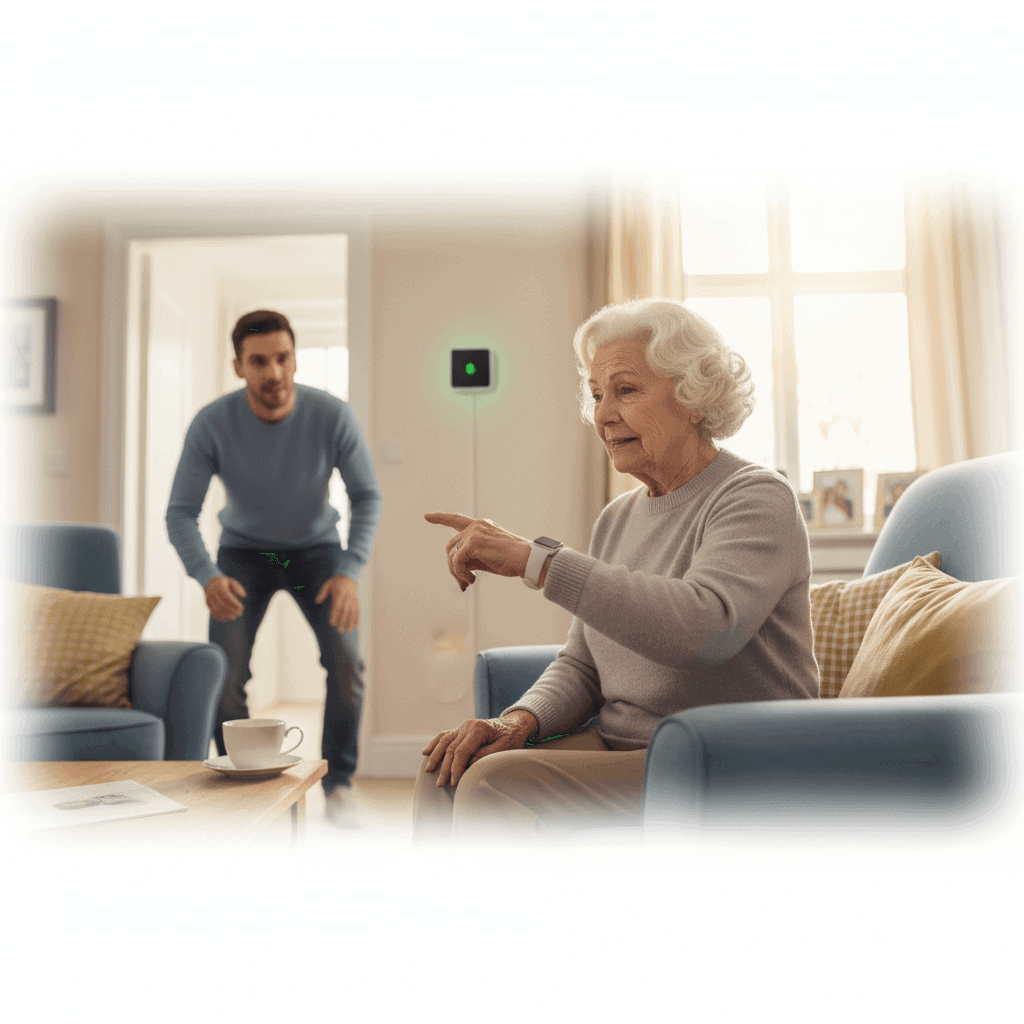
The human-centered mindset in the medical alert world puts real people before gadgets or money and reaches past just healthcare or device companies. For a CEO juggling products, teams, and big plans, this way of thinking flips the script. It shows what users truly need, slashes costly mistakes, and lets teams fix urgent issues quickly and smartly. This mindset suits CEOs aiming to make a genuine difference while keeping customers safe and satisfied. Dive in to see how this thinking can ramp up success and reshape leadership like never before.
In this article I will unpack practical lessons leaders can borrow from companies that supply medical alert systems. You will see examples of user focused design policies frontline service tactics and measurement ideas you can apply across industries. The goal is to leave you with concrete steps that improve customer trust retention and operational resilience.
Why the Medical Alert Industry Human Centered Approach for CEOs matters now
Medical alert providers operate in a context where human stakes are high. Customers often depend on a device or service during moments of physical risk or confusion. That pressure forces firms to get a small set of things exactly right. CEOs in other sectors can learn from that intolerance for friction. When processes work smoothly families feel relief and churn drops. When they fail reputations suffer and liability risks rise.
For leaders this translates into a clear leadership payback. Prioritizing human needs reduces friction across sales onboarding and support. It also creates stories teams can rally around when trade offs are required. Instead of abstract metrics that only analysts care about teams can align behind tangible goals like time to response or ease of setup. Those goals mirror outcomes customers actually experience.
Core principles that translate to any company
Medical alert companies tend to follow a short list of guiding principles. Each principle is simple to state and practical to implement. CEOs can use these principles as filters when making product marketing or hiring decisions.
- Clear primary purpose Every product communicates at a glance what problem it solves for whom.
- Low barrier to use Setup and daily use require minimal steps and little technical knowledge.
- Rapid response chains When a signal triggers the right people are notified without delay.
- Human interaction where it matters Automated processes handle routine items while trained staff handle escalations.
- Continuous feedback loops User reports and frontline observations feed product and training updates.
These are not exotic rules. They are operational habits that prevent silent failures and improve customer outcomes. For a CEO they are a framework useful in board conversations and resource allocation debates.
Design choices that reduce friction for users
Leaders often face trade offs between feature richness and simplicity. Medical alert vendors typically choose simplicity because their user base values reliability over bells and whistles. That choice can guide a CEO confronted with similar trade offs in other markets.
- Limit the number of steps required for first use
- Prioritize visual cues and large readable text for older users
- Offer one touch escalation paths to reach a real person
- Provide fallback options when connectivity falters
Practical example
A product team replaced a multi page on boarding flow with a single physical quick start card and a short recorded welcome call. The result was a measurable reduction in calls to support and higher first month retention.
Service design and workforce mix
Medical alert firms blend technology and human labor in a way that keeps costs predictable while preserving quality. There is often a triage layer where software filters routine signals then routes more complex situations to trained staff. CEOs outside healthcare can use a similar tiered model to manage volume spikes and protect brand trust.
Staffing strategies
Train a small core of highly skilled responders whose role is to handle complex or sensitive contacts. Surround that core with team members who manage straightforward tasks. This keeps escalations fast and prevents skill dilution. It also creates a clear career path for people who want to move from routine work into more responsible roles.
Technology as an enabler not a replacement
Choose tools that reduce repetition and speed decision making. Avoid the temptation to remove human judgment from situations that require empathy or moral reasoning. In practice this means using software to present the right information to responders and logging interactions for continuous training.
Metrics that matter for CEOs
Many executive dashboards track growth revenue and unit economics. The medical alert sector adds human centered metrics that are highly actionable. These metrics provide early warning signs of service degradation and also highlight strengths that matter to customers.
- Time to acknowledgment Time between an alert and the first human contact
- Resolution without escalation Share of issues resolved at first contact
- On boarding success rate Percent of new users fully operational within a target window
- Caregiver satisfaction Feedback from family or support networks
Tracking these measures helps leaders decide where to invest in training or process improvement. They also allow for targeted experiments that deliver measurable user benefits.
Case studies and quick wins for leadership
Real life examples help teams adopt new practices. Here are scenarios that CEOs can pilot quickly to show results within a quarter.
- Rapid setup kit Ship a minimal physical kit and a one minute video to new users. Measure the drop in support calls.
- Escalation script refresh Rewrite scripts to use simpler language and confirm understanding with a closed question. Track changes in first contact resolution.
- Frontline idea program Create a simple channel for frontline staff to propose small fixes and recognize implemented ideas publicly.
For more in depth examples that trace these steps back to leadership choices you can continue reading and see how others have framed the program and measured outcomes.
Common pitfalls and how to avoid them
Adopting human centered priorities is not without traps. CEOs can make avoidable mistakes that undercut trust or waste resources. Here are the common ones and practical safeguards.
- Over reliance on metrics that do not reflect experience Pair quantitative measures with qualitative reports from real customers.
- Ignoring edge cases Test extreme but plausible scenarios and document fallback paths.
- Scaling too quickly Grow capacity in phases while monitoring quality metrics closely.
- Poor handoffs between teams Map the customer journey and assign clear ownership for each touchpoint.
Mitigation steps include short pilot runs and frequent cross functional reviews. These practices keep the host organization nimble and responsive to feedback from the field.
Practical road map for implementation
Start with small bets that are fast to measure and visible to customers and staff. Here is a four step path a CEO can advocate for board support and operational planning.
- Audit Map all customer touchpoints and mark friction hot spots.
- Pilot Choose one small change to test such as a simplified setup or a revised escalation script.
- Measure Track a mix of human centered and business metrics for the pilot period.
- Scale Roll out successful changes across segments with training and clear documentation.
Each step should have a clear owner a time box and an expected outcome. That helps preserve accountability and shows the board early progress that justifies continued investment.
Conclusion
CEOs who study the Medical Alert Industry Human Centered Approach for CEOs will find a practical set of habits and metrics that protect reputation and improve retention. The focus on simplicity response and human judgment produces measurable improvements in customer outcomes and team morale. By adopting a small number of proven practices leaders can lower operational risk and build services that customers actually rely on. Start with an audit pick a single pilot and measure both human and business results. Share early wins with the organization to build momentum and then scale what works. If you lead by example and insist on clear ownership you will reduce friction across the customer experience and create a stronger foundation for long term growth. Take action today assign a cross functional team to run a sixty day pilot and report back with concrete metrics. That step alone will show whether your organization is ready to make people centered decisions a lasting part of its way of working.